Equinox Broker Balanced Insight. Precision Trading.

Equinox Broker

Balanced Insight. Precision Trading.

Latest Articles

Counterintuitive by Design: The Disciplined Logic Behind Selling Your Winners
Wealth Management

Counterintuitive by Design: The Disciplined Logic Behind Selling Your Winners

Rebalancing demands that investors do something their instincts actively resist: reduce exposure to what is working and add to what is not. Understanding why this friction exists—and how to systematically overcome it—is one of the most consequential skills a long-term investor can develop.


Before the Storm Arrives: Engineering Your True Risk Tolerance While Markets Are Still Quiet
Wealth Management

Before the Storm Arrives: Engineering Your True Risk Tolerance While Markets Are Still Quiet

Most investors overestimate how much turbulence they can endure — not because they are reckless, but because calm markets make every risk profile look reasonable. Discovering your authentic tolerance for loss requires deliberate stress-testing before volatility forces the conversation. This article presents a structured framework for separating the risk capacity you aspire to from the one you actually possess.

Not Too Hot, Not Too Cold: Calibrating Your Portfolio's Risk Temperature for Maximum Long-Term Gain
Wealth Management

Not Too Hot, Not Too Cold: Calibrating Your Portfolio's Risk Temperature for Maximum Long-Term Gain

Most investors instinctively treat volatility as an enemy to be eliminated, yet portfolios stripped of all turbulence often underperform in ways that quietly erode long-term wealth. Understanding the optimal level of risk exposure for your specific profile and life stage can be the difference between a portfolio that merely survives and one that genuinely compounds. This article examines the evidence behind strategic volatility calibration and why zero-risk thinking carries its own hidden costs.

Beating the Number, Missing the Point: How Earnings Outperformance Can Mask the Setup for a Sharp Decline
Trading Strategy

Beating the Number, Missing the Point: How Earnings Outperformance Can Mask the Setup for a Sharp Decline

A company posts better-than-expected earnings, analysts upgrade their price targets, and retail investors pile in—only to watch the stock shed double digits over the following weeks. This pattern is more common than most traders acknowledge, and understanding the structural forces behind it can mean the difference between a well-timed exit and an avoidable loss. Equinox Broker examines the hidden mechanics that convert apparent earnings strength into the precondition for a painful drawdown.

When the Calendar Lies: Understanding Why Seasonal Trading Signals Collapse Under Pressure
Trading Strategy

When the Calendar Lies: Understanding Why Seasonal Trading Signals Collapse Under Pressure

Seasonal trading patterns like the Santa Claus rally and January effect have long attracted investors seeking a statistical edge, but history reveals these signals frequently unravel precisely when market conditions are most turbulent. Understanding which calendar-based anomalies retain genuine predictive value—and which have been rendered obsolete by crowded positioning and structural economic shifts—is essential for any disciplined trader. This analysis separates durable seasonal tailwinds fro

Beating Estimates, Losing Ground: The Hidden Mechanics Behind Post-Earnings Reversals
Trading Strategy

Beating Estimates, Losing Ground: The Hidden Mechanics Behind Post-Earnings Reversals

A company reports earnings that exceed Wall Street's consensus, yet the stock drops sharply within days. This pattern, far from being an anomaly, reflects structural forces that routinely decouple short-term price momentum from genuine fundamental strength. Understanding those forces is essential for any investor seeking to trade around earnings with discipline.

Order Over Average: Why the Timing of Market Losses Can Quietly Dismantle a Retirement Plan
Wealth Management

Order Over Average: Why the Timing of Market Losses Can Quietly Dismantle a Retirement Plan

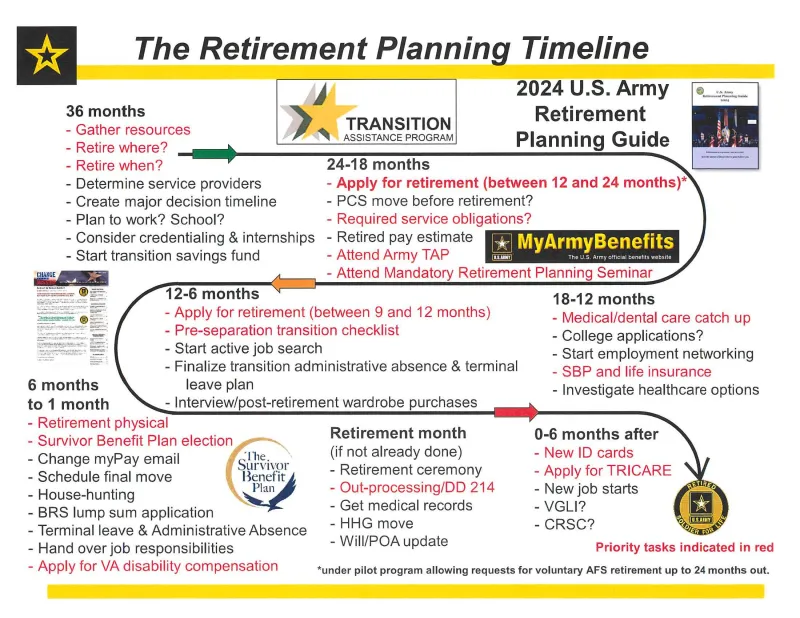
Most investors fixate on average annual returns when projecting retirement outcomes, yet the sequence in which those returns arrive can matter far more than the average itself. A portfolio that suffers significant losses in its earliest withdrawal years may never fully recover, regardless of how strong subsequent performance becomes. Understanding sequence-of-returns risk is not optional for anyone approaching or entering retirement—it is foundational.

The Diversification Mirage: How Crisis Conditions Erase the Protection You Counted On
Wealth Management

The Diversification Mirage: How Crisis Conditions Erase the Protection You Counted On

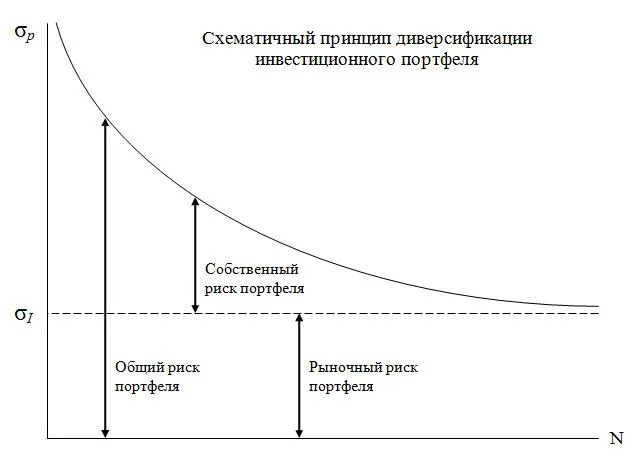
Diversification is among the most foundational principles in portfolio construction — yet it has a well-documented tendency to fail precisely when investors need it most. When markets enter genuine distress, asset correlations converge toward one, stripping portfolios of the protection their architects believed was firmly in place. Understanding why this happens — and how to build around it — is essential to durable wealth management.

When Winners Become Warnings: Recognizing the Overconfidence Hidden Inside Your Top Holdings
Wealth Management

When Winners Become Warnings: Recognizing the Overconfidence Hidden Inside Your Top Holdings

The positions that have rewarded you most generously are often the ones demanding the sharpest scrutiny. Investors frequently mistake a stock's history of outperformance for a guarantee of future resilience, allowing conviction to quietly morph into dangerous overexposure. Understanding how this behavioral drift occurs — and how to counter it — is essential to protecting long-term wealth.

When Discipline Becomes a Liability: Rethinking Fixed Rebalancing in Sustained Bull Markets
Wealth Management

When Discipline Becomes a Liability: Rethinking Fixed Rebalancing in Sustained Bull Markets

Systematic rebalancing is widely celebrated as the cornerstone of disciplined investing, yet in prolonged bull markets it can quietly erode the very gains it was designed to protect. Understanding when rigid allocation rules become counterproductive—and how to adapt without abandoning structure—is one of the more nuanced challenges facing today's investors. This piece examines the mechanics of that tension and offers a more dynamic approach to portfolio maintenance.

Trading Strategy

Harvesting at the Right Moment: How Strategic Timing Transforms Tax Losses Into a Durable Advantage

Tax-loss harvesting is far more powerful when deployed during market inflection points rather than treated as a routine year-end task. Investors who understand the mechanics of wash-sale rules, sector rotation timing, and loss quantification can convert portfolio volatility into measurable, compounding tax savings.

Stocks Everywhere, Safety Nowhere: The Illusion of Diversification Inside a Single Asset Class
Wealth Management

Stocks Everywhere, Safety Nowhere: The Illusion of Diversification Inside a Single Asset Class

Holding twenty stocks across multiple sectors feels like diversification — until a broad market selloff reveals that most of them move in lockstep. Understanding correlation dynamics is the difference between a portfolio that is genuinely resilient and one that merely appears to be.

When Blue Chips Betray You: The Execution Risk Hidden Inside Large-Cap Liquidity During Market Stress
Wealth Management

When Blue Chips Betray You: The Execution Risk Hidden Inside Large-Cap Liquidity During Market Stress

Large-cap stocks are widely regarded as the most liquid and reliable holdings an investor can own — but that assumption can unravel with alarming speed during margin call cascades and forced deleveraging events. This article examines how institutional flash crashes, bid-ask spread deterioration, and hidden slippage costs expose retail investors to execution risk precisely when they can least afford it, and outlines practical methods for stress-testing true portfolio liquidity before a crisis arr

Averaging Up Too Slowly: The Hidden Cost of Rigid Contribution Schedules During Market Rebounds
Trading Strategy

Averaging Up Too Slowly: The Hidden Cost of Rigid Contribution Schedules During Market Rebounds

Dollar-cost averaging is widely praised as a disciplined, emotion-free investment approach — but mechanical adherence to fixed contribution schedules can leave investors significantly behind during powerful market recoveries. By examining historical rebound periods in 2009, 2020, and 2023, this article reveals how systematic investors can paradoxically underperform and proposes a dynamic allocation framework designed to capture inflection-point gains without abandoning long-term discipline.

When Averages Lie: How the Timing of Market Losses Can Unravel a Retirement Plan
Wealth Management

When Averages Lie: How the Timing of Market Losses Can Unravel a Retirement Plan

A 7% average annual return sounds reassuring—until you examine when those returns actually arrive. For investors approaching or already in retirement, the sequence in which gains and losses occur can matter far more than the long-term average itself, potentially making the difference between a comfortable retirement and a depleted portfolio.

The Ghost of Your First Trade: How Anchoring Bias Quietly Distorts Every Investment Decision You Make
Trading Strategy

The Ghost of Your First Trade: How Anchoring Bias Quietly Distorts Every Investment Decision You Make

Most investors believe their decisions are driven by data, analysis, and rational judgment. Behavioral finance research suggests otherwise. The anchoring effect—a cognitive bias rooted in our earliest market experiences—can silently skew position sizing, exit strategies, and risk tolerance for years, often without the investor ever recognizing its influence.

Wealth Management

The Cost of Waiting for the Perfect Entry: Why Consistent Investors Outpace Market Timers

The pursuit of the perfect entry point is one of investing's most seductive and costly illusions. Decades of market data and behavioral research consistently reveal that investors who prioritize timing over discipline tend to underperform those who simply stay the course. This article examines the evidence, the psychology, and the practical strategies that separate wealth builders from sideline spectators.

Style Rotation Decoded: Navigating the Shift Between Growth and Value Leadership
Trading Strategy

Style Rotation Decoded: Navigating the Shift Between Growth and Value Leadership

Growth and value stocks do not compete on a level playing field indefinitely — history shows they take turns leading the market through distinct economic cycles. Understanding the signals that precede these major style rotations can give disciplined investors a meaningful edge. This analysis examines the patterns, indicators, and positioning strategies that matter most when the pendulum begins to swing.

Turning Turbulence Into Opportunity: Advanced Options Techniques for Volatile Market Environments
Wealth Management

Turning Turbulence Into Opportunity: Advanced Options Techniques for Volatile Market Environments

Volatility spikes are often treated as threats to be endured rather than conditions to be leveraged. For investors equipped with the right options strategies, however, periods of elevated market uncertainty can become windows for protecting gains, generating income, and maintaining conviction in core long-term holdings.

Reading the Market's Clock: A Portfolio Positioning Framework for Cyclical Inflection Points
Trading Strategy

Reading the Market's Clock: A Portfolio Positioning Framework for Cyclical Inflection Points

Markets do not move in straight lines — they breathe in rhythms shaped by earnings cycles, macroeconomic data releases, and the seasonal rotation of institutional capital. Understanding how to identify and act on these recurring inflection points can meaningfully improve both entry and exit timing for disciplined investors.